Skip Hire in Queens Park
Skip hire in Queens Park gives households, landlords, trades and small businesses a straightforward way to manage bulky waste, renovation debris and mixed load clearances without turning the job into a series of separate trips. Our service is arranged around practical container sizes, sensible collection planning and clear disposal routes, so the waste from a project can be handled in one organised process. If you need a skip hire option for a one-off clear-out or a building job, the aim is to keep it simple, legal and suitable for the material you are removing.
We support a range of waste types through dedicated service pages, including domestic skip hire, builders’ loads and commercial clearances. That means the hire can be matched more closely to the material rather than treated as a generic drop-off. It also helps when you want to compare options before arranging collection, because the right choice is usually guided by access, waste volume and the type of items going in. Good planning matters when the load contains a mix of heavy and lighter material.
For a practical overview of the wider service, you can look at our skip hire service or review the different approaches to skip sizes and prices. Those pages are useful when you are weighing up capacity against the amount of waste on site. If you are preparing a project, now is a sensible time to request a quotation and choose the arrangement that fits the job.
Choosing the right skip for the job
The main decision is usually not just the size of the container, but whether the waste is general mixed material, heavier rubble, or lighter household contents. A load made up mostly of timber, packaging and furniture behaves very differently from one dominated by soil, bricks or broken concrete. The best result comes from matching the hire to the material you expect, because that improves loading efficiency and helps avoid overfilling or unsuitable waste types.
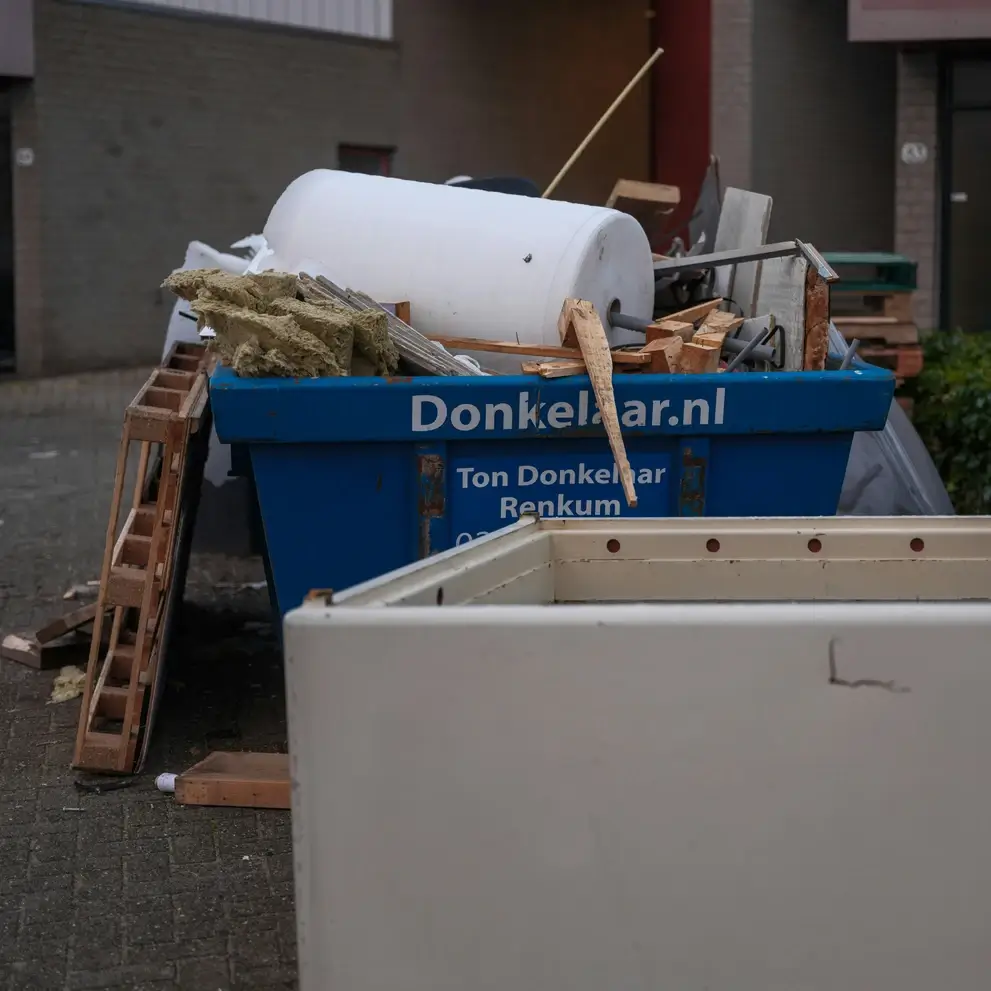
Our pages on builders’ skip hire and builders’ waste removal are relevant where the job involves construction debris, plasterboard, timber offcuts and mixed site rubbish. For larger clearances, construction waste disposal and construction waste clearance give a clearer picture of how building waste can be handled when a project produces more than one kind of residue. These services are often chosen for refurbishments, repairs and strip-outs where the waste changes as the job progresses.
Tip: if you are unsure which type of hire suits your load, write down the main materials first. That is usually more useful than estimating by eye alone. A short list of debris types, access conditions and timing gives a much clearer basis for a quotation than a vague description, and it helps avoid choosing a container that is either larger than needed or not well suited to the waste.
Domestic, garden and garage clearances
Domestic jobs often combine several waste streams in one place. A house tidy-up may include old furniture, bagged clutter, broken fittings, bathroom items and general rubbish that has built up in a loft, garage or spare room. Our domestic skip hire and house clearance pages reflect that kind of work, while garage and loft clearance is useful when the material is awkward to carry and easier to remove in stages.
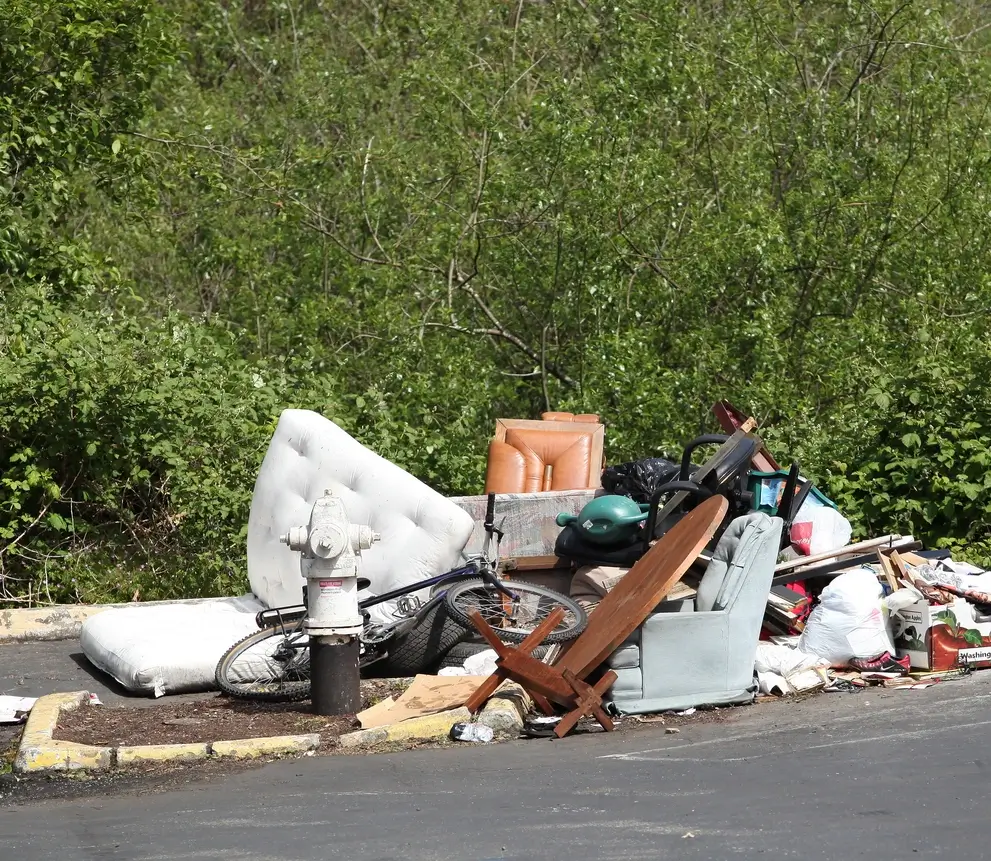
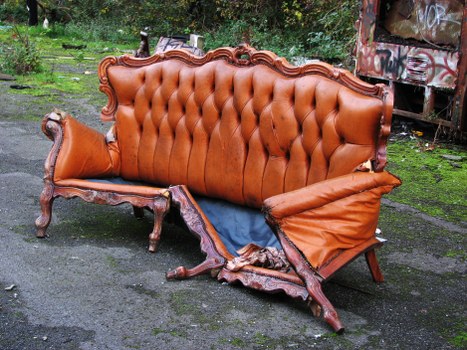
Outside the property, garden work creates a different sort of waste again. Branches, hedge cuttings, soil, turf and old fencing need a service that is comfortable with organic material and heavier garden debris. That is where garden waste removal can be a better fit than a general clearance. The same applies to items that do not belong in ordinary mixed waste, such as a mattress or sofa; where relevant, mattress and sofa disposal offers a more specific route for bulky furniture.
When planning a domestic clearance, it helps to separate what is definitely waste from anything that may be reused, donated or kept. That simple step reduces confusion on the day and often makes the load easier to describe. If you want to keep the process neat, place heavier pieces together, keep loose bags closed and avoid mixing materials that may need different handling. Then ask for a quotation based on the actual contents rather than a guess.
Site, demolition and builders’ waste
Work on building plots and renovation sites usually creates heavier, more technical waste than a standard household clear-out. Broken masonry, tiles, plasterboard, timber, packaging and fixings all have to be handled in a way that suits the job’s scale and waste mix. Our site clearance and demolition waste removal pages are useful where the task is tied to a project area that needs to be left clear and workable at the end of the day.
For projects that generate loose spoil or excavated waste, muck away services and grab hire services provide options that differ from a static container. They are often considered where the material is bulky, granular or awkward to load by hand. If access is tight or the waste needs to be removed from a location with limited room for a container, grab lorry hire can be a practical alternative because it is designed for fast loading from the roadside or edge of the site.
Builders also benefit from a service that understands the difference between mixed light waste and dense rubble. Heavier loads can change the collection plan, and some materials need extra care so they are handled in line with disposal rules. That is why a clear description of the job matters before a quote is prepared. If you are arranging work in phases, it is often best to say which stage of the project is producing the waste and whether the material will be bagged, loose or stacked.
Commercial and office waste services

Businesses often need a waste solution that is predictable and tidy rather than disruptive. Our commercial skip hire service suits shops, workshops, premises refurbishments and routine waste from trading sites where the load is steady and clearly defined. For premises that are closing, moving or reorganising, office clearance offers a more targeted approach to desks, chairs, paperwork, packaging and general office contents.
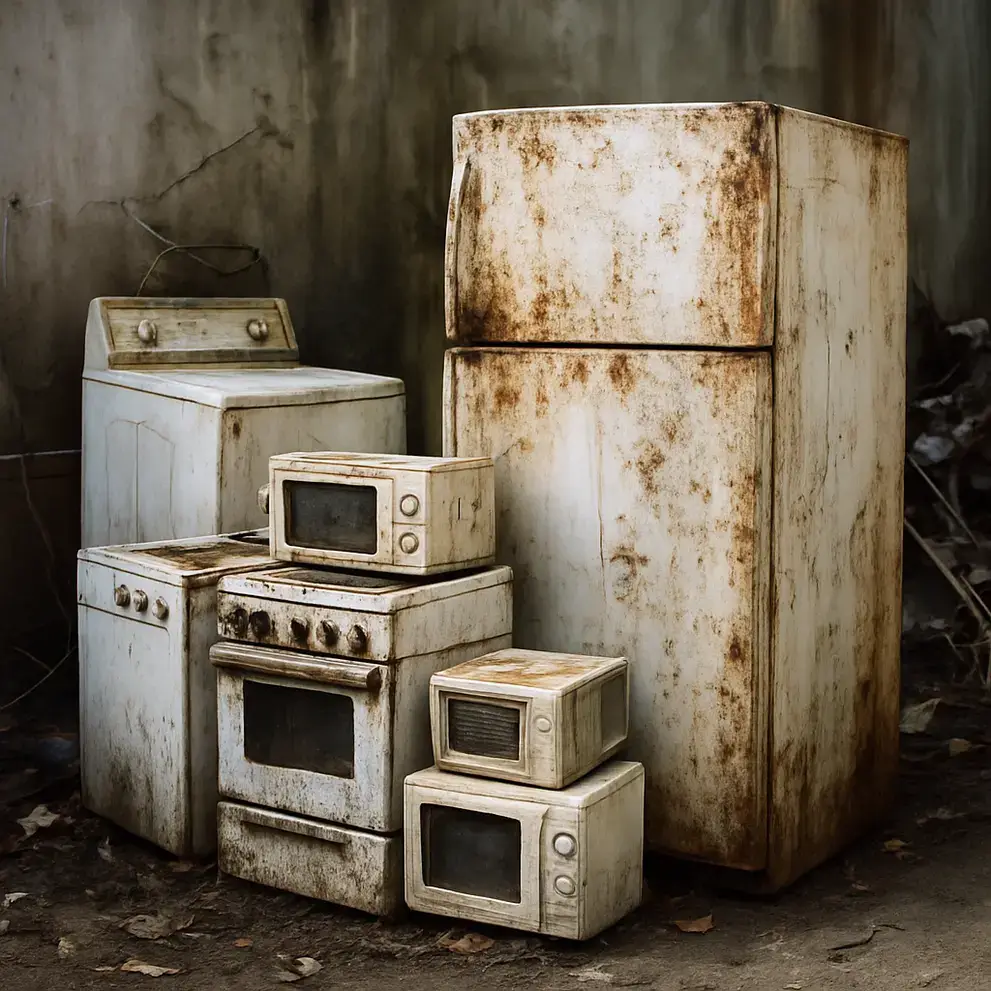
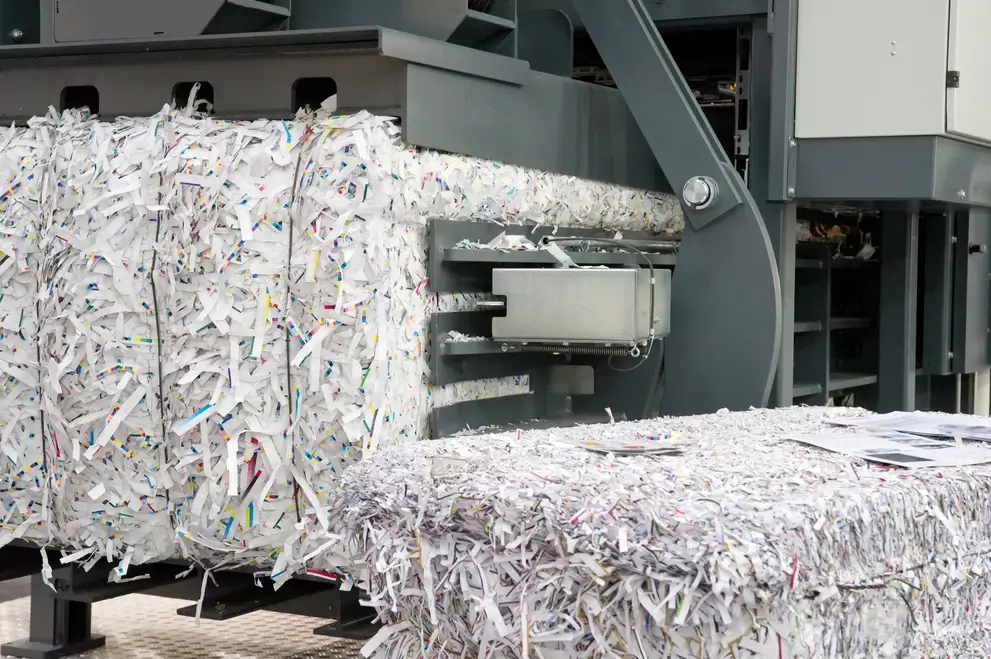
In some cases, a company does not need a full skip but still needs a managed collection for specific items or confidential material. Pages such as confidential shredding and fridge and appliance removal cover specialist waste that should not simply be treated as general rubbish. Where an office or commercial space contains a mix of reusable furniture and waste, a planned clearance can be easier to coordinate than several separate removals.
Commercial customers often want their waste removed with as little interruption as possible. That usually means considering access, loading area size and the type of material before booking. Keep delivery routes clear, decide who on site can authorise the collection, and note whether any items need separating before removal. These simple steps make it easier to agree a sensible quotation and avoid unnecessary delays once the job is underway.
Skip permits, access and safe placement
Where a skip cannot be placed entirely on private land, the question of permissions becomes important. Our skip permits page explains the permission route for placements that involve public highways or other controlled positions. This is especially relevant when road space is limited or when a property frontage does not offer enough room for safe siting. Thinking about placement early can prevent avoidable changes to the booking later on.
Access is not only about legal permission; it also affects how easy the hire is to use. Narrow drives, low branches, parked vehicles and shared entrances all influence whether a container can be delivered, positioned and collected without difficulty. In some cases, wait and load skip hire is worth considering because the waste can be loaded during a scheduled visit rather than left on site. For enclosed premises or areas where contents need extra protection, enclosed and lockable skip hire may be a more suitable option.
What can go in, and what needs separate handling
Understanding what belongs in a skip helps keep the hiring process smooth. General household waste, many renovation materials and mixed non-hazardous debris are commonly accepted, while certain items require separate handling or specialist disposal. For clear guidance, what can go in a skip is a useful reference before you load anything in bulk. That page is especially helpful if your load includes unusual items or you are mixing materials from different rooms or trades.
Some waste categories need a more specific route because of safety, compliance or recycling requirements. Our hazardous waste disposal page covers material that should not be mixed with ordinary rubbish. You can also look at recycling and sustainability to understand how reusable material may be separated where appropriate. For a broader view of the disposal process, waste recycling services gives a useful sense of how waste can move from collection to recovery rather than simple disposal.
If you are loading the container yourself, keep the waste level sensible and avoid burying restricted items underneath general rubbish. Sorting a load before it is collected is far easier than trying to correct it after the fact. A well-described enquiry, with the main materials identified in advance, usually leads to a more accurate quotation and a better match between the service and the job.
How pricing is shaped

Quotation requests are usually shaped by the type of waste, the amount involved, the access available and whether the job needs a standard skip, a specialist collection or a more flexible removal method. Our pricing and quotes page is the most direct place to compare how that information is presented. For many customers, the useful point is not a single price figure but a clear explanation of what the service covers and what affects the final arrangement.
Costs can change when the waste includes dense rubble, mixed materials, awkward loading conditions or items that require separate treatment. A simple quote request should therefore mention the main waste types, whether the container will be on a road or private land, and any access points that might affect delivery. If you are gathering information before booking, you can also review same day skip hire and book online as reference pages for the kinds of arrangements available on this website.
When you are ready, ask for a quotation with a clear description of the load and the timing you need. The more accurately the waste is described, the easier it is to suggest the right service. If your project is already underway, keep a note of the main materials and the space available for delivery so the enquiry is straightforward and complete. Request a quotation today if you want to move the job on without delay.
About Queens Park
Queens Park is an area of northwest London straddling the boundary between the City of Westminster and the London Borough of Brent. The neighbourhood takes its name from Queen’s Park itself, a public open space laid out in the late nineteenth century. The park was opened in 1887 to mark Queen Victoria’s Golden Jubilee and remains a defining feature of the district, with lawns, playgrounds, sports facilities and tree-lined paths that give the area a distinctly residential character. Around it, the streets are marked by a mixture of late Victorian and Edwardian terraces, mansion blocks and smaller side roads, many of them laid out during the period of suburban expansion that transformed this part of London. The area sits between Kilburn, Maida Vale, Kensal Rise and Brondesbury, and it is served by Queen’s Park station, a transport hub with London Underground and London Overground links. Local life is also shaped by the busy Salusbury Road area, where independent shops, cafés and pubs contribute to a strong high-street feel. The district has a reputation for family homes, community events and a relatively calm atmosphere compared with the wider inner London setting. Green space is an important part of its identity, and the park itself acts as both a local landmark and a focal point for informal recreation, gatherings and seasonal activity. Though compact, the area has a clear sense of place, with streets that reflect its planned suburban origins and a landscape that combines urban convenience with everyday open space.
Domestic clearances, heavy items and appliance removal
Some bookings are about more than loose rubbish. A property may need old fixtures, broken appliances, bulky furniture or mixed clutter removed in one organised visit. That is where a service built around practical loading and careful disposal becomes useful. Our house clearance, fridge and appliance removal and rubbish removal pages cover different ways of handling contents that do not fit neatly into a standard household bin routine. When the items are heavy or awkward, having the right route matters as much as having enough capacity.
Some customers need a one-off removal after a move, a refurbishment, a tenancy change or a room reset. In those cases, a mixed load may include furniture, packaging, old flooring, torn soft furnishings and general refuse. Using a dedicated domestic service keeps the process more manageable than trying to split everything into several separate collections. It also helps when the contents are too varied for one simple category and need a short, accurate description before a quotation is prepared.
Where possible, separate anything that can be reused, kept aside or moved independently. That reduces wasted space and makes collection more efficient. If the waste is already grouped by room or by item type, describe it that way when you ask for a price. A short, clear summary of the job is often the best way to reach the right service decision and avoid arranging more capacity than you actually need.