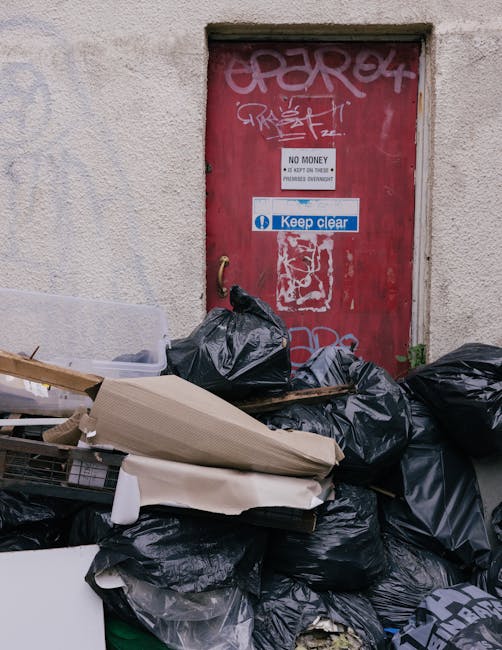
Avoid hidden rubbish removal fees Queens Park what to know
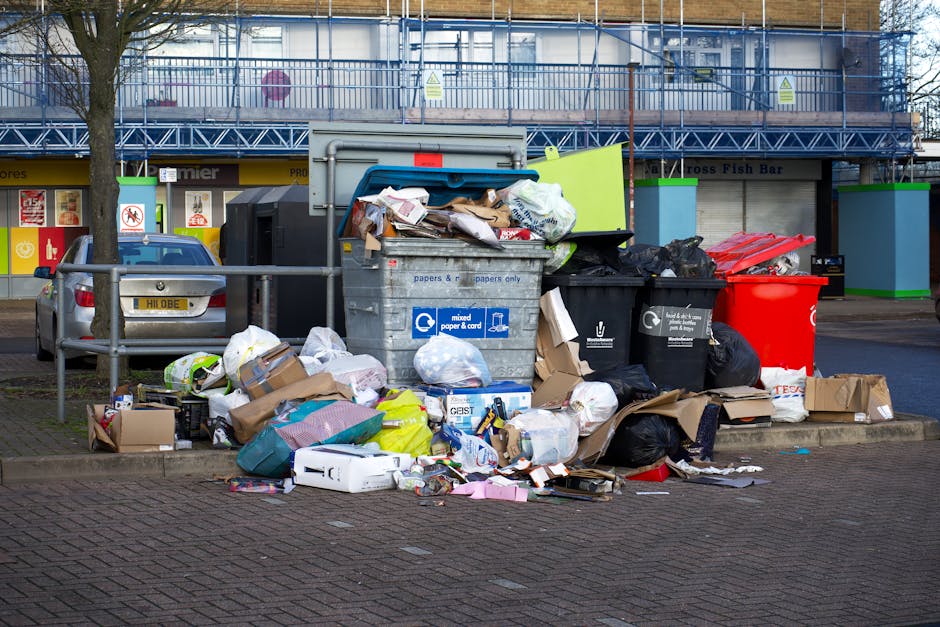
If you are trying to avoid hidden rubbish removal fees in Queens Park, you are probably already suspicious of the quote you were given. Fair enough. Rubbish removal should be straightforward, but in real life the final bill can grow quietly if the terms are vague, the load is misdescribed, or extra charges are tucked away in the small print. This guide explains what to watch for, how pricing usually works, and the simple checks that help you stay in control from the first call to the final collection.
In Queens Park, where homes range from compact flats to busy family houses and small businesses, waste jobs can vary a lot. One minute it is a couple of bulky items, the next it is a loft full of mixed junk, old timber, or garden waste after a damp Sunday clean-out. The good news? Most unpleasant surprises are avoidable if you know the questions to ask.
Why hidden rubbish removal fees matter
Hidden fees are not just annoying. They can completely change whether a rubbish clearance feels like decent value or a bad decision. A quote that looks competitive at first glance can become expensive once you add call-out fees, congestion-related surcharges, stair-carry charges, restricted access charges, load reassessment fees, or charges for items the provider says were not declared properly. Suddenly the job costs far more than expected, and you are left feeling a bit stitched up.
This matters even more in Queens Park because access can be tight. Terraced streets, parked cars, narrow front paths, top-floor flats, and shared entrances all make logistics important. If the company has not quoted with those realities in mind, extra charges can creep in later. You do not want a bill that has grown legs.
There is also a trust angle. Clear pricing usually tells you something about how the company works. If they are open about what is included, what is excluded, and what might change the price, that is a good sign. If they are vague, pushy, or reluctant to explain the numbers, that is a red flag. To be fair, the same principle applies whether you are booking a one-off collection or arranging a larger project through rubbish removal or a more structured skip hire option.
Expert summary: The safest way to avoid hidden charges is to get a written, itemised quote, describe the waste honestly, and confirm exactly what happens if the load, access, or collection method changes.
How hidden rubbish removal fees usually work
Rubbish removal pricing is often based on a few moving parts rather than one fixed figure. The basic idea sounds simple: you pay for the collection, loading, transport, and disposal of your waste. In practice, the final price can also reflect the type of waste, the amount of labour needed, the vehicle size, and whether any extra handling is required.
Here is where confusion starts. Some companies quote a headline price but only for a very specific scenario. For example, it may assume easy access, ground-floor loading, light mixed waste, and a standard working window. If your job differs, small extras can appear. Sometimes that is fair. Sometimes it is not explained clearly enough. The difference is transparency.
Common fee triggers include:
- extra weight or volume beyond the original estimate
- items that need special handling, such as fridges or mattresses
- restricted access that adds labour time
- waiting time if the team cannot get started immediately
- parking or permit-related complications
- non-standard waste types, especially anything hazardous
If you are not sure what counts as a normal load, it helps to compare your job against the service descriptions on pages such as what can go in a skip and hazardous waste disposal. Even if you are booking a collection rather than a skip, the same basic waste-classification rules still matter. A sofa, a fridge, and a pile of garden clippings are not priced in quite the same way. Obvious enough, maybe, but people forget in the rush.
One more thing: a cheap quote can be misleading if the company has not included disposal, labour, or VAT clearly. Always ask what the total price actually covers. Total price. Not just the starting point.
Key benefits and practical advantages
Being careful about hidden rubbish removal fees is not just about saving money, although that is a nice bonus. It also helps you plan better and choose the right waste service for the job.
- Budget control: You know what you will pay before the team arrives, which makes household, landlord, and business planning much easier.
- Fewer disputes: Clear expectations reduce the chance of disagreement at the kerbside or after collection.
- Better service choice: Once you understand the likely extras, you can compare rubbish removal with man and van, grab hire services, wait and load skip hire, or a standard skip.
- Less stress on the day: You do not spend half the morning worrying about whether the bill will suddenly jump.
- Cleaner comparison shopping: You can compare like with like, instead of apples with oranges with the odd banana thrown in.
There is also a practical upside for repeat customers. If you run a small office, manage a rental property, or coordinate regular clear-outs, transparent pricing makes future jobs quicker to book. You build a simple reference point for volume, access, and waste type. That can save time every single time.
For larger or recurring jobs, pages like commercial skip hire and office clearance can also help you think through whether a collection service or a more formal waste setup is the better fit.
Who this is for and when it makes sense
This advice is useful for anyone arranging waste removal in Queens Park, but it is especially important if you are dealing with mixed or awkward waste. A small job can become expensive if it is not described properly. A large job can become messy if nobody has agreed the access, timing, or handling requirements in advance.
You will benefit most if you are:
- a homeowner clearing a loft, garage, or spare room
- a tenant or landlord dealing with end-of-tenancy waste
- a tradesperson producing builders' rubbish after a job
- a shop, office, or small business disposing of bulky items
- someone arranging a house clearance after a move or bereavement
- a property manager planning repeat clearances
For domestic jobs, services such as domestic skip hire, garage and loft clearance, and house clearance often make sense when you have a lot to shift. If the job involves branches, cuttings, or patio waste, garden waste removal may be more suitable. If the waste is heavy rubble or site debris, look at builders waste removal or construction waste disposal.
Some jobs are time-sensitive too. If you have a clear-out before a landlord inspection, or you need rubbish gone before decorators arrive, the timing pressure can make people accept a vague quote too quickly. That is usually where hidden charges sneak in. A rushed decision is rarely the bargain it looks like.
Step-by-step guidance
Here is the most practical way to keep rubbish removal costs under control in Queens Park.
- Identify the waste clearly. Separate general household rubbish from bulky items, green waste, electrical items, rubble, timber, and anything potentially hazardous.
- Estimate the volume honestly. Take a few photos in good light. A small pile can look very different in person than it does in a dim hallway. Be honest about how much space it takes up.
- Check access conditions. Note stairs, lifts, narrow hallways, garden gates, controlled parking, and whether the team will need to carry items a long way.
- Ask for an itemised quote. Make sure it states the cost for collection, labour, loading, transport, and disposal. Ask what is excluded.
- Confirm item-specific charges. Ask about fridges, mattresses, sofas, appliances, and any item that may need special handling. Pages like fridge and appliance removal and mattress and sofa disposal are useful reference points.
- Ask what happens if the load changes. If the team finds more waste than expected, will they pause and re-quote, or just continue and bill later?
- Check payment terms before booking. Confirm when payment is due, what methods are accepted, and whether any deposit applies. A good provider should be clear on this, not slippery.
As a rule, the quote should answer the boring questions before you sign anything. Boring is good here. Boring means fewer surprises.
If you are comparing collection methods, it can also help to look at same day skip hire for urgent work, or enclosed and lockable skip hire if you need to keep contents protected. Different jobs, different risks.
Expert tips for better results
After plenty of real-world jobs, a few habits stand out. They are simple, but they work.
- Use photos from multiple angles. One front-on image can hide a lot. Get side views too.
- Be precise about item types. "A few bits and bobs" is not a useful description, even if it sounds friendly.
- Ask whether prices are all-in. That phrase matters more than people realise.
- Separate prohibited items early. If something looks risky, check before collection. This is especially important for anything that might fall under hazardous waste disposal.
- Keep a written record. Save the quote, any messages, and the final agreement. If there is a query later, you will be glad you did.
- Match the service to the waste. Sometimes rubbish removal is ideal. Sometimes skip hire permits matter more because the load will sit outside for a while. Sometimes waste recycling services are the better route for sorted materials.
One small but useful trick: ask the provider to explain the quote back to you in plain English. If they cannot do that without wobbling, you probably have your answer. Not always, but usually.
For bigger clearance jobs, it is worth checking whether a specialist service may be more cost-efficient than a general collection. For example, site clearance is often a better fit for larger mixed loads, while muck away services can suit heavy spoil and soil. The right tool for the right job, basically.
Common mistakes to avoid
Most hidden-fee problems come from the same handful of mistakes. Once you know them, they are easier to dodge.
- Accepting a vague quote. If the price is not explained, it is not a proper quote.
- Underestimating access difficulty. A third-floor flat with no lift is not the same as a driveway pickup, even if the pile looks small.
- Forgetting about special items. A sofa might look like "just another item", but disposal and handling can differ from normal mixed waste.
- Assuming all waste is treated the same. It is not. Mixed waste, green waste, electricals, and rubble can be handled differently.
- Not checking permit or parking implications. This matters particularly where vehicles may need to stop on-street. If your chosen method needs roadside placement, look at skip permits and skip hire permits.
- Leaving the waste unprepared. If everything is scattered around the property, labour time can go up. Neat piles are easier, quicker, and often cheaper.
There is also a tendency to focus only on price and ignore reliability. That is understandable. Everyone wants value. But if one provider is slightly cheaper and another is transparent, insured, and clear about payment and security, the second one often wins in the long run. Less drama. Fewer headaches.
Tools, resources and recommendations
You do not need fancy software to avoid hidden rubbish removal fees, but a few simple tools help a lot.
- Phone photos: take clear pictures of the waste, the access route, and the exit point.
- Basic measurements: width of gates, height of low walls, number of flights of stairs, and approximate pile size.
- A written checklist: note what you are removing, what stays, and what might need special handling.
- Service comparison: compare man and van, grab lorry hire, and skip sizes and prices before deciding.
- Booking support: if you are ready to proceed, book online can be a convenient next step.
It is also sensible to review a provider's policies before booking, especially if you value clarity and accountability. Pages like payment and security, terms and conditions, health and safety policy, and insurance and safety help you understand how the company works behind the scenes.
If you are a business handling sensitive papers or archived material, confidential shredding may be relevant too. Not every rubbish job is just rubble and old chairs, after all.
Law, compliance, standards, or best practice
For rubbish removal in the UK, the safest approach is to work with a provider that follows accepted waste-handling practice, keeps disposal arrangements clear, and does not encourage you to mix unsuitable items into a general load. You do not need to memorise legal wording to make a good decision, but you should know the basics.
Best practice usually means:
- waste is identified accurately before collection
- hazardous or restricted items are separated and handled appropriately
- pricing terms are explained before work begins
- the customer understands what is included and what may cost extra
- the provider is transparent about disposal and handling expectations
If waste is left on a public road or verge, local permission may be required depending on the setup. That is why roadside solutions and permit-related services should be discussed early, not at the last minute. If you are unsure, ask before the job is booked. Better a slightly longer phone call than a nasty surprise later.
From a customer point of view, the main compliance lesson is simple: do not put pressure on the provider to "just take everything" if some items may be unsafe or prohibited. That can create disposal issues, delays, or extra charges. The sensible route is always to be honest about the waste from the beginning.
Options, methods, or comparison table
Choosing the right disposal method is one of the easiest ways to avoid hidden costs. A mismatch between the job and the service often causes extra charges. Here is a quick comparison.
| Method | Best for | Possible extra costs | Useful when |
|---|---|---|---|
| Rubbish removal | Small to medium mixed loads, quick collection | Access issues, special items, extra labour | You want lifting and loading done for you |
| Skip hire | Longer jobs, bulky ongoing waste | Permits, overfilling, prohibited items | You can load waste yourself over time |
| Wait and load | Fast turnaround with no skip left on site | Waiting time, access delays | Parking or space is tight |
| Grab lorry | Heavy, loose, or bulky material | Loading distance, inaccessible piles | The waste is in an easy-to-reach spot |
| Man and van | Flexible one-off collections | Extra trips, item-specific charges | You need a nimble, practical service |
This is not about finding one "best" method. It is about matching the method to the real job. That is where savings happen. And fewer grumbles, which is always nice.
Case study or real-world example
Imagine a flat near Queens Park where the occupant has cleared out a spare room before a move. The pile includes two broken office chairs, a mattress, three boxes of mixed household junk, an old microwave, and a few bags from the loft. On the phone, that might sound like a light job. In reality, the mattress, appliance, and loft access all matter.
A clear provider would ask for photos, check access, and confirm whether the items are all standard mixed waste or whether any need special handling. If the customer says the flat is on the second floor with a narrow staircase, that should be reflected in the quote. If the provider later arrives and finds more waste than expected, they should pause and agree any price change before continuing.
Now compare that with a better-prepared booking. The customer sends photos, confirms there is no lift, separates the microwave, and mentions the mattress upfront. The quote is more accurate, the collection is faster, and there is no awkward back-and-forth outside the building while neighbours peer through curtains. That is the difference a few honest details make.
We see this pattern a lot. Not dramatic, just practical. The jobs that go smoothly are usually the ones where someone took five extra minutes to explain the waste properly.
Practical checklist
Use this checklist before you confirm any rubbish removal booking in Queens Park.
- Have I described every item clearly?
- Have I sent photos from more than one angle?
- Do I know whether the quote is fixed or subject to change?
- Have I asked about access, stairs, parking, and loading distance?
- Do I understand which items may carry extra charges?
- Have I checked whether any item is restricted or hazardous?
- Do I know what the payment terms are?
- Have I compared this method with other options such as skip hire or grab hire?
- Have I kept a copy of the quote and messages?
- Am I happy that the provider has been clear, calm, and specific?
If you can tick most of those boxes, you are in good shape. If not, slow down a bit. The extra minute now can save you a proper headache later.
Conclusion
To avoid hidden rubbish removal fees in Queens Park, the main rule is simple: never rely on a vague price. Ask for clarity, give accurate details, and make sure the provider explains any possible extras before the job begins. That one habit does more to protect your budget than anything else.
Whether you are clearing a flat, dealing with garden waste, or sorting a bigger property job, the best outcome usually comes from matching the service to the load and keeping everything transparent. A good quote should feel boring in the best possible way: clear, fair, and easy to understand.
And if you are still weighing up the right option, take your time. The right service is the one that fits the waste, the access, and your peace of mind. That matters. Quite a lot, actually.
Get a free quote today and see how much you can save.
Frequently Asked Questions
What are the most common hidden rubbish removal fees?
Common extras include labour for difficult access, charges for heavy or awkward items, extra load volume, special item handling, waiting time, and costs linked to parking or access issues. The main way to avoid them is to get the quote explained clearly before you book.
How can I tell if a rubbish removal quote is genuine?
A genuine quote usually states what is included, what may cost more, and what happens if the load changes. If the company avoids specifics or keeps saying "don't worry about it", that is not especially reassuring.
Should I send photos before booking rubbish removal?
Yes, definitely. Photos help the provider judge volume, access, and item type more accurately. Good photos reduce the chance of a price change on the day.
Do stairs or flat access increase rubbish removal costs?
They can, because carrying waste up and down stairs takes more time and effort. That does not automatically mean the price will rise, but it should be disclosed if it matters to the job.
Are fridges, sofas and mattresses charged differently?
Often, yes. These items may require special handling or disposal arrangements. It is worth checking pages such as fridge and appliance removal and mattress and sofa disposal for the type of service involved.
Is rubbish removal cheaper than skip hire?
It depends on the job. For a one-off collection with lifting included, rubbish removal can be very practical. For larger ongoing projects, a skip from skip hire may be better value. The right choice depends on access, volume, and how quickly the waste will build up.
What should I ask before agreeing to a collection?
Ask what the total price includes, whether there are extra charges for access or specific items, how changes to the load are handled, and when payment is due. Clear answers now are worth far more than apologies later.
Do I need a permit for rubbish removal?
Usually not for a standard collection, but if waste is being placed on a public road in a different setup, permit issues may arise. For roadside skip arrangements, look at skip permits and skip hire permits.
What if the team finds more waste than I said I had?
A responsible provider should stop and discuss any change before continuing. You should never feel pressured into accepting an unexpected bill without explanation.
Can I mix garden waste, furniture and builders waste together?
Sometimes mixed loads are accepted, but the way they are priced and handled can vary. It is better to declare everything upfront rather than hoping it all counts the same. If builders waste is involved, see builders waste removal and construction waste disposal.
What is the safest way to avoid surprise charges?
Give accurate descriptions, send photos, ask for a written itemised quote, confirm access details, and check whether any item might need special handling. That combination catches most surprises before they happen.
When should I choose another service instead of rubbish removal?
If you have a large, ongoing, or heavy load, it may make sense to look at grab hire, wait and load, or skip hire instead. Options like grab hire services, wait and load skip hire, and skip sizes and prices can help you compare properly.