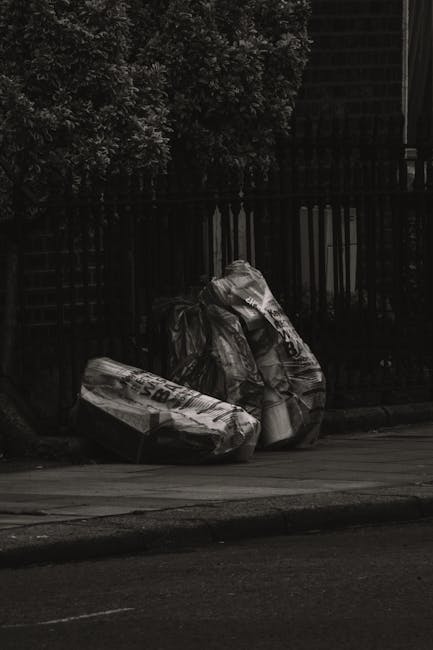
Brent Council rules for bulky rubbish in Queens Park
If you are trying to get rid of an old sofa, a broken wardrobe, or a mattress that has been leaning against the wall for far too long, the Brent Council rules for bulky rubbish in Queens Park can feel a bit more confusing than they should. Truth be told, most people just want the mess gone without accidentally breaking local rules, blocking the pavement, or paying more than they need to.
This guide breaks it all down in plain English. You will get a clear view of how bulky waste is usually handled in Queens Park, what the sensible options look like, where people commonly go wrong, and how to choose the most practical route for your home, flat, or business. It is written for real-life situations, not council-brochure perfection.
And if you are standing there looking at a pile of unwanted stuff thinking, where do I even start?, you are in the right place. Let's make it simple.
Table of Contents
- Why Brent Council rules for bulky rubbish in Queens Park Matters
- How Brent Council rules for bulky rubbish in Queens Park Works
- Key Benefits and Practical Advantages
- Who This Is For and When It Makes Sense
- Step-by-Step Guidance
- Expert Tips for Better Results
- Common Mistakes to Avoid
- Tools, Resources and Recommendations
- Law, Compliance, Standards, or Best Practice
- Options, Methods, or Comparison Table
- Case Study or Real-World Example
- Practical Checklist
- Conclusion
- Frequently Asked Questions
Why Brent Council rules for bulky rubbish in Queens Park Matters
Bulky rubbish is one of those household issues that tends to sneak up on you. One day it is just an old sofa in the hallway, then suddenly the spare room is half full of broken furniture, flat-pack leftovers, and a fridge nobody wants to carry down the stairs. In a place like Queens Park, where streets can be busy and many homes sit close together, the rules matter because they help keep access clear, reduce fly-tipping, and stop a simple clear-out from becoming a neighbourhood problem.
Brent Council rules for bulky rubbish in Queens Park are important for another reason too: they help you avoid misunderstandings about what can be left out, when it can go out, and what should be booked through the proper route. If you leave items incorrectly, you can end up with missed collections, complaints from neighbours, or an extra job to sort out later. Nobody needs that on a rainy Tuesday morning.
There is also a practical side. Bulky items often include mixed materials. A wardrobe may have wood, metal fittings, mirrors, and screws. A mattress may contain fabric, foam, springs, and dust that has been collecting since who-knows-when. The better you understand the local approach, the easier it is to separate what can be recycled, what needs special handling, and what can be removed quickly and safely.
Practical takeaway: bulky waste rules are not just about compliance. They are about keeping the street clear, reducing hassle, and choosing the right disposal method the first time.
How Brent Council rules for bulky rubbish in Queens Park Works
At a high level, bulky rubbish in Queens Park is usually dealt with through a booked collection or through a private waste removal service, depending on the type and amount of waste you have. Councils typically set out conditions for what counts as bulky waste, how it should be presented, and what items are excluded. That broad idea is what most residents are working with, even if the exact booking process can change over time.
In practical terms, bulky waste generally means items too large for standard household bins. Think sofas, chairs, tables, wardrobes, beds, mattresses, carpets, and similar household goods. Some items are straightforward. Others are not. White goods, electrical items, and anything with refrigerants, fluids, or hazardous components may need separate handling. That is where a bit of care saves a lot of grief.
If you have a small load, a council collection may suit you best. If you have a bigger clear-out, multiple heavy items, building debris, or awkward access, a private removal option can be easier and sometimes faster. A service such as rubbish removal can be useful when you need everything taken away in one go, especially if there are items that are awkward to move from a flat, basement, or shared entrance.
For bigger household clear-outs, people also compare other routes like house clearance or, where there are furniture-heavy loads, mattress and sofa disposal. That is not about overcomplicating things. It is just about matching the method to the waste, which is usually the smartest move.
You may also need to think about access. Queens Park has its fair share of tight stairwells, resident parking, and awkward front gardens. If removal has to happen quickly or from a hard-to-reach spot, options like wait and load skip hire or man and van can be far more practical than trying to drag everything to the kerb and hope for the best.
Key Benefits and Practical Advantages
Getting bulky rubbish sorted properly is one of those jobs that sounds minor until it is sitting in your way. Then it becomes the most annoying thing in the house. Done well, though, it brings a few real advantages.
- Less clutter, faster: a proper bulky waste plan clears space without long delays.
- Better safety: removing broken furniture and heavy items reduces trip hazards and damage to communal areas.
- Cleaner presentation: useful if you are moving out, hosting, selling, or just trying to breathe a bit easier at home.
- Lower stress: you avoid last-minute panic and the classic "where does this even go?" moment.
- Better sorting: recyclable materials and specialist items can be directed more appropriately.
There is a quieter benefit too: a cleaner clear-out usually means fewer mistakes. When items are sorted properly before collection, you are less likely to have rejected loads, missed bookings, or extra costs. That matters whether you are dealing with one old sofa or a full flat refresh after a tenancy change.
And let's face it, bulky rubbish is rarely just one item. Once you start, you often spot three more things that "might as well go too." That is normal. Plan for it rather than pretending it will be a one-bag job.
Who This Is For and When It Makes Sense
This topic matters to a lot of different people in Queens Park. If you are a tenant clearing out before the end of a lease, a homeowner replacing furniture, a landlord dealing with left-behind items, or a small business looking to remove worn-out stock or fixtures, the same basic rules still apply: choose the right disposal method, check item restrictions, and make sure the waste is handled responsibly.
It also makes sense for people who are in between solutions. Maybe the council option is fine for one bulky item, but you have a second-hand wardrobe, a broken chest of drawers, and an old freezer all waiting to go. That mix changes the job. Likewise, if you are in a flat with limited lift access, a straightforward council collection may not be the easiest route on the day.
Typical situations include:
- moving house or downsizing
- renovating a room or replacing old furniture
- clearing a garage, loft, or storage area
- getting rid of items left after a tenancy
- removing waste from a small office or shop
- dealing with one-off household clutter that has built up over time
If the items are mixed and bulky, a service such as garage and loft clearance may be the more realistic option. That kind of job is usually more about speed, sorting, and access than pure volume. You do not want to carry everything down three flights of stairs twice. Nobody has time for that.
Step-by-Step Guidance
If you want a simple way to approach bulky rubbish in Queens Park, use this sequence. It keeps things organised and helps you avoid the usual last-minute rush.
- List everything you want removed. Be honest about the load. Include hidden items like old rugs, broken chairs, or dismantled shelving.
- Separate regular bulky waste from specialist items. Fridges, freezers, electricals, hazardous items, and sharp materials may need different handling.
- Check the access route. Note stairs, lifts, parking restrictions, narrow paths, and whether items need carrying through the property.
- Choose the most suitable disposal method. For a small load, a council route may be enough. For a heavier or more awkward clear-out, a private collection can be more efficient.
- Measure the items if needed. It sounds obvious, but a sofa that seems "fine" in the living room can be a nightmare in a tight hallway.
- Prepare the waste in advance. Remove personal items, empty drawers, and secure loose parts. If items can be dismantled safely, that can help.
- Book the collection or arrange the removal. Make sure the timing works for the day and that the load is ready when required.
- Set items out correctly. Follow the instructions you have been given about where and when to place the rubbish.
- Double-check what remains. After collection, inspect the area for screws, fabric scraps, or small parts that could be left behind.
A useful rule of thumb: if your pile includes one or more heavy items and more than a couple of awkward extras, think beyond a basic "put it outside and hope" approach. A more flexible service, such as same-day skip hire or grab hire services, can sometimes save a lot of stress when time is tight.
And yes, sometimes the fastest route is simply the one that costs slightly more but saves a half-day of faff. That matters too.
Expert Tips for Better Results
In our experience, the best bulky waste jobs are the ones where someone spends ten minutes thinking before lifting anything. It sounds small, but it changes everything.
- Start with the biggest item first. Once the sofa or wardrobe is gone, the room usually feels manageable again.
- Keep recyclables separate where possible. Clean wood, metal, cardboard, and reusable items may be handled better when sorted early.
- Protect shared spaces. Use care around hallways, lifts, and staircases. A scuffed wall is a miserable way to end an otherwise simple job.
- Check for hidden contents. Drawers, cupboards, and appliance seals can hide paperwork, batteries, and personal items.
- Choose a service that fits the access. A ground-floor house is not the same as a top-floor flat. Obvious, but easy to forget.
- Ask what is accepted before booking. Different items may need separate treatment, especially electricals and hazardous waste.
One practical trick: take quick photos of the waste pile before you book. It helps you estimate the volume and makes it easier to explain any unusual items. You do not need a perfect photo. Slightly blurry is fine. It is not an art competition.
If you are dealing with a mixed load, it may also be worth looking at what can go in a skip before you decide. A small bit of planning now can prevent a much bigger headache later.
Common Mistakes to Avoid
Most bulky rubbish problems come from a handful of avoidable mistakes. The good news is that they are easy to fix once you know what to look for.
- Leaving items out without checking the rules. This is the big one. Not every item can be treated the same way.
- Mixing general bulky waste with restricted items. That can cause delays or rejection.
- Underestimating the volume. People often think they have two items and end up with a whole room's worth.
- Forgetting about access. Narrow stairs, parked cars, and limited loading space can change the best option.
- Not dismantling items when safe to do so. A bed frame or wardrobe often takes less space once broken down properly.
- Ignoring recycling and disposal responsibilities. Passing the job on does not remove your duty to use a legitimate service.
Another common slip is leaving everything until the last day before a move-out. Then the whole thing becomes noisy, rushed, and slightly chaotic. We have all seen that scene. The hallway full of cushions, someone holding a screwdriver in their mouth, and a clock ticking away. Better to avoid it.
If cost is driving your decision, have a look at practical ways to minimise bulky waste costs and also how to avoid hidden rubbish removal fees. A little preparation can make a real difference.
Tools, Resources and Recommendations
You do not need fancy tools to handle bulky rubbish well, but a few basics make the job smoother. A tape measure, gloves, sack truck or dolly for heavy items, bin bags for loose debris, and basic packing materials all help. If you are dismantling furniture, keep the screws and fittings in a labelled bag so nothing disappears into the carpet forever.
Useful services to consider, depending on your load, include:
- skip hire for larger loads that can be gathered over a short period
- skip sizes and prices if you are trying to estimate what fits your job and budget
- domestic skip hire for home clear-outs and household projects
- builders skip hire if the load includes renovation waste as well as bulky items
- fridge and appliance removal for large electricals that should not be treated like normal furniture
- waste recycling services if you want to prioritise responsible sorting and diversion from landfill where possible
If you are comparing services, look at more than the headline price. Ask yourself: is access included? Is loading help included? What happens with mixed waste? Is the company clear about restricted items? That is the stuff that matters once the lorry arrives.
For people who want to avoid over-ordering a skip or booking the wrong service, pricing and quotes can help frame the decision more carefully. It is often easier to choose once you have a realistic idea of the load.
Law, Compliance, Standards, or Best Practice
For bulky rubbish, compliance is less about memorising legal wording and more about acting responsibly. In the UK, waste should be handled by a legitimate carrier and disposed of properly. As a homeowner, landlord, or business owner, you still carry some responsibility for what happens to your waste after it leaves your property. That is why it is wise to use reputable services and keep records where appropriate.
Best practice usually means:
- using an approved collection method rather than leaving items on the street
- separating hazardous or specialist waste from standard bulky waste
- not overfilling a skip or mixing in prohibited materials
- making sure access, parking, and placement are planned before collection day
- checking the conditions of any private collection service before you book
There is also a health and safety angle. Sharp edges, broken glass, mouldy mattresses, and heavy lifting can all cause injuries if handled casually. A careful approach is not overkill; it is just sensible. If you are unsure, a service with clear safety information such as health and safety policy and insurance and safety details is worth checking before you commit.
If the waste includes confidential papers or sensitive documents, do not just put them with the rest. A dedicated route like confidential shredding is the cleaner way to handle it. Simple, really.
Options, Methods, or Comparison Table
There is no single best method for bulky rubbish in Queens Park. The right choice depends on volume, item type, access, time pressure, and whether you want help loading. Here is a straightforward comparison to make the decision easier.
| Option | Best for | Strengths | Limitations |
|---|---|---|---|
| Council bulky collection | Small, eligible household loads | Simple for some residents; usually suitable for a few items | May have item restrictions, booking rules, and limited flexibility |
| Skip hire | Larger mixed loads, clear-outs, renovation waste | Good capacity; useful if you need time to fill it | Needs space, access planning, and sometimes permit considerations |
| Wait and load | Areas with restricted parking or quick removals | No need to keep a skip on the street; often efficient in tight locations | Requires the load to be ready quickly |
| Man and van | Smaller to medium loads, awkward access, mixed bulky items | Flexible, practical, and helpful if lifting support is needed | Not always ideal for very large or ongoing projects |
| House clearance | Whole-room or whole-property clear-outs | Best when there is lots to sort, move, and remove | May be more than you need for a single item |
If you are not sure which route fits, think about access first and volume second. People often focus on how much waste they have, but the staircase, kerb space, or parking situation can be the real deciding factor.
Case Study or Real-World Example
A fairly typical Queens Park scenario goes like this. A resident is moving out of a first-floor flat and has an old sofa, a broken ottoman bed base, two chairs, and a fridge that has stopped cooling properly. At first glance it seems manageable. Then they realise the sofa barely fits through the hallway, the fridge is much heavier than expected, and the lift is not available on the collection day. Suddenly the job is more than a quick tidy-up.
Rather than forcing everything through one narrow exit, they split the waste into categories. The sofa and chairs go into one removal plan, the fridge is handled separately through an appliance route, and the bed base is dismantled where safe. That means less damage risk, less stress on the stairwell, and a cleaner handover at the end of the tenancy.
That kind of approach is usually what works best in practice. Not glamorous. Just sensible.
In another common case, a landlord clearing a property after a long tenancy may have a mix of old furniture, bags of household waste, and some leftover bits from repairs. A broader solution such as site clearance or construction waste disposal may be better than trying to piece together several smaller removals. Different mess, same principle: match the method to the job.
Practical Checklist
Use this checklist before you book anything. It keeps the whole process cleaner and much less stressful.
- List every bulky item you want removed
- Separate furniture, appliances, and specialist waste
- Check whether any item needs special handling
- Measure large items and note access restrictions
- Decide whether a council route, skip, or removal crew makes most sense
- Remove personal items from drawers, cupboards, and pockets
- Dismantle items safely if that will help access or reduce space
- Clear the route from the property to the collection point
- Confirm the time, location, and loading instructions
- Keep your paperwork or booking confirmation handy
- Double-check that nothing has been left behind after collection
Quick summary: if the items are simple and few, a basic collection may be enough. If they are heavy, mixed, or awkward, a more flexible removal method is usually the better call. That is the honest answer, even if it is not the flashiest one.
Get a free quote today and see how much you can save.
Conclusion
Brent Council rules for bulky rubbish in Queens Park are really about making a busy, built-up area easier to live in. Once you understand the difference between standard bulky waste, specialist items, and larger mixed loads, the whole process becomes much more manageable. The key is to plan just enough before you act. That small bit of effort saves time, avoids rejected collections, and keeps your property and street tidy.
If you are dealing with one awkward item, fine. If you are looking at a bigger clear-out, choose the route that fits the access, the volume, and the type of waste. That way you get the job done properly the first time, which is honestly the best kind of finish.
And when the space is finally clear, you notice it straight away. A bit more room. A bit less noise in your head. That feels good.
Frequently Asked Questions
What counts as bulky rubbish in Queens Park?
Bulky rubbish usually means items too large for normal household bins, such as sofas, beds, wardrobes, mattresses, tables, chairs, and similar household goods. Some electrical items may also be classed separately and need special handling.
Can I leave bulky items on the pavement for collection?
Only if they are being collected through the correct route and you have followed the instructions for timing and placement. Leaving items out casually can lead to complaints, missed collections, or enforcement issues.
Do I need to dismantle furniture before disposal?
Not always, but dismantling can make access easier and reduce the space the items take up. If you do it, make sure it is safe and keep screws and fittings together so nothing goes missing.
What should I do with a fridge or freezer?
Fridges and freezers usually need separate handling because of their electrical and refrigerant components. A specialist appliance removal route is often more suitable than treating them as ordinary bulky waste.
Is skip hire better than a council collection?
It depends on the size and type of waste. A council collection may suit a small number of eligible items, while skip hire is often better for larger mixed loads, renovation waste, or clear-outs that take more time.
What if I live in a flat with difficult access?
Then access becomes a major factor. A wait-and-load service or a man and van option may be easier than arranging something that needs long-term street placement. Tight stairwells and limited parking really do change the picture.
Can I put broken electronics with bulky rubbish?
Sometimes, but not always. Electrical items can have separate handling requirements, especially if they are large or contain hazardous components. It is best to check before mixing them into a general load.
How can I avoid hidden costs?
Be clear about the load size, item type, access conditions, and whether loading help is needed. Hidden costs usually appear when the service provider learns something on the day that was not clear at the start.
What is the easiest option for a full house clear-out?
A house clearance service is often the easiest when there is a large volume of mixed household waste, furniture, and general clutter. It saves time when the job is bigger than a simple one-off collection.
Are there items that should never go with bulky waste?
Yes. Hazardous waste, certain chemicals, and some specialist materials should never be mixed in casually with standard bulky rubbish. If in doubt, keep them separate and ask for the correct disposal route.
How do I know which removal method suits me best?
Think about three things: how much waste you have, how easy it is to access, and how quickly you need it gone. That simple filter usually points you in the right direction without much fuss.
What if I only have one sofa to remove?
For a single large item, a focused removal option may be more sensible than ordering a larger service than you need. A sofa-only disposal route or a small-load collection can be more efficient and easier to arrange.